

“Quantum Dynamics in Organizational Development” explores the deep impact of quantum principles on organizational structures and processes, arguing that adopting a quantum perspective can create more adaptable, innovative, and resilient organizations. By viewing organizations as interconnected systems rather than rigid hierarchies, the book emphasizes the need for flexibility and adaptability in today’s complex business world.
A central theme of the book is the idea of co-creation, where every member of the organization contributes to its evolution. This approach develops collaboration, dismantles silos, and nurtures a culture of shared responsibility and innovation. The authors contend that accepting this interconnectedness allows organizations to tap into collective intelligence more effectively.
When it comes to change management, the book suggests that change should be viewed as non-linear and emergent. Instead of following traditional top-down methods, the authors advocate for a more holistic approach that considers the complex dynamics of the organizational ecosystem. This mindset is crucial for implementing effective, sustainable change.
Leadership is also redefined in the context of quantum dynamics. The authors stress that leaders must be comfortable with uncertainty and complexity, as this mindset enables them to guide organizations through rapid shifts while creating an environment of trust, empowerment, and innovation.
Lastly, the book provides practical frameworks for integrating quantum principles into everyday organizational practices. These frameworks include tools for assessing an organization’s readiness for change, strategies to enhance communication and collaboration, and methods to build a culture of continuous learning.
In conclusion, “Quantum Dynamics in Organizational Development” presents a compelling argument for rethinking traditional organizational models. By describing quantum principles, organizations can foster resilience, drive innovation, and better navigate the complexities of the modern business landscape, ultimately enriching the experience of every member involved.



“Neuroscience and System Transformation” is a groundbreaking exploration of how brain health, cognitive function, and societal change intersect. This comprehensive guide takes readers on a transformative journey, revealing the deep influence that the brain has on individual well-being and societal dynamics.
From the foundations of brain health to the complexities of decision-making psychology and the role of emotions in shaping behavior, this book offers practical strategies for optimizing cognitive function and promoting flexibility throughout life.
By championing the integration of neuroscience into healthcare and societal systems, “Neuroscience and System Transformation” ushers in a new era of holistic wellness, inspiring individuals and communities to thrive in a rapidly changing world.
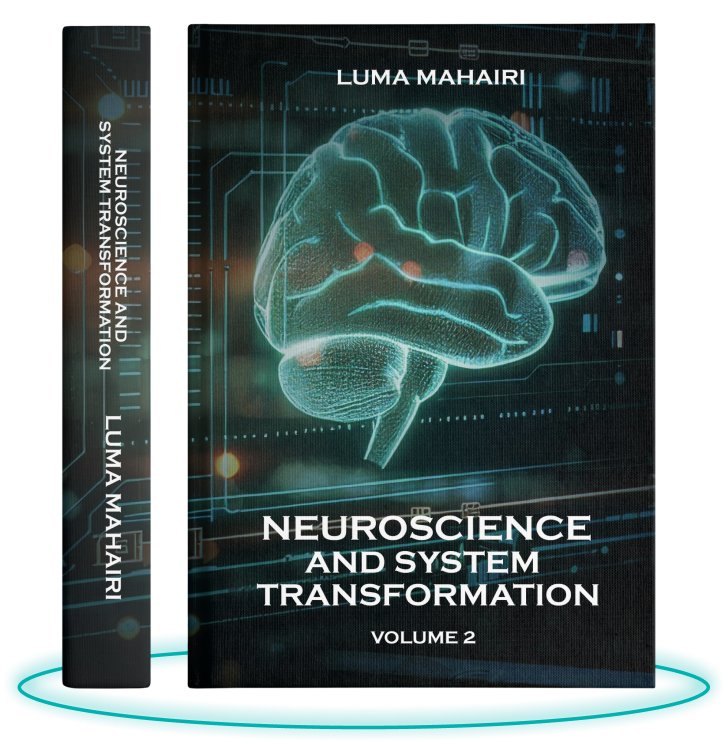
“Neuroscience and System Transformation: Volume 2” offers an in-depth exploration of the evolving connections between neuroscience, healthcare, and legal systems, providing readers with a comprehensive look at groundbreaking advancements set to drive transformative change. From the personalized approach of pharmacogenomics to the integration of technology in healthcare delivery, this volume covers the cutting edge of innovation in patient care and legal practice.
It critically examines legal frameworks, revealing their impact on healthcare providers and patients alike. The book also explores the psychological and cognitive factors influencing legal cases, with a particular focus on their profound effects on criminal and civil law.
Advocating for systemic reforms, it calls for equitable legal systems that prioritize justice and access for all. Featuring real-life case studies, the volume offers practical insights and actionable strategies, equipping both professionals and individuals with tools to navigate legal challenges effectively. Highlighting the synergy between neuroscience, healthcare, and law, “Neuroscience and System Transformation: Volume 2” underscores the importance of interdisciplinary collaboration in developing holistic well-being and ensuring justice in an ever-changing world. This essential guide is perfect for practitioners, policymakers, and individuals eager to navigate the complex intersection of these fields with clarity and insight.

“Redefining Horizons: Law, Leadership, & Human Development” explores the intricate relationship between legal systems and societal structures, focusing on how law evolves as a reflection of human development and cultural values. It highlights the dynamic nature of legal frameworks, showing that they are not static but change over time in response to societal shifts, historical milestones, and leadership decisions. The book underscores how legal systems are deeply embedded in the fabric of society, reflecting cultural values and historical contexts while shaping social norms and behaviors. By examining the concept of the social contract, it explores the idea that individuals consent to abide by laws in exchange for protection and social order.
In discussing the evolution of legal systems, the book traces the idea that laws change in line with natural and societal laws, an argument that has its roots in the 18th century and remains relevant in contemporary legal theories. It highlights how legal systems have adapted to the needs of societies, influenced by transformative historical events such as revolutions and colonialism. Leadership is also examined as a driving force behind legal evolution. The book argues that leaders play a crucial role in shaping legal frameworks and governance structures, showing how effective leadership can drive social change through legal reform, creating environments where justice and equity can flourish.
The book further explores the role of historical events in shaping legal principles, referencing moments like the American and French Revolutions, which catalyzed significant changes in governance and the establishment of constitutionalism. These events emphasized individual rights and democratic ideals, marking key turning points in legal history. Finally, the book addresses the concept of legal pluralism, where multiple legal systems coexist within a society. This coexistence creates a complex legal landscape, influenced by state laws, religious norms, and customary practices, reflecting the diverse cultural heritage of communities.
Ultimately, “Redefining Horizons: Law, Leadership, & Human Development” offers a comprehensive examination of how law evolves alongside society, highlighting the importance of understanding this interplay to create just legal systems that foster human development and promote social cohesion.
This study focuses on the role of orchestrators in organizing innovation systems to achieve shared goals among corporations, governmental organizations, and academic institutions. It gets into how orchestrators can develop innovative ecosystems and stimulate creativity within the workplace. The research broadens its scope beyond the corporate level by including individuals involved in innovation ecosystems. Using a mixed-methods approach, data from 72 participants across various industries were collected to examine the core capabilities of orchestrators and identify the key elements that drive the growth of innovation ecosystems.
To enhance orchestration within innovation ecosystems, the study designs a quantitative research approach to explore the relationships between firm size, profitability, and participation. By statistically analyzing these factors, the research provides insights into how they impact the success of orchestration efforts. The study also suggests that incorporating considerations like funding, diversity, equity, inclusion, and ethics into the research design could offer a more comprehensive understanding of how to manage innovation ecosystems effectively.
A qualitative research approach is also recommended to deeply understand the most debated components of orchestration in innovation ecosystems. By gathering non-numerical data from sources such as focus groups, interviews, and observations, the qualitative research aims to uncover the meanings, backgrounds, and viewpoints of participants. This method provides valuable insights into the opportunities and challenges faced by orchestrators in encouraging collaboration and creativity, highlighting the complexities and nuances of orchestration within ecosystems.
Cutting-edge technology plays a vital role in enabling effective orchestration within innovation ecosystems. Businesses can leverage technology to enhance collaboration with other ecosystem players and drive innovation. Additionally, educating consumers on financial literacy equips them with the necessary skills and knowledge to actively participate in innovation ecosystems. The study suggests that businesses should hold technological advancements and educational initiatives to foster more efficient and impactful ecosystem orchestration.
Orchestrators are crucial in driving cooperative innovation initiatives within ecosystems. Their skills in risk-taking, collaboration, information sharing, and creativity help create a culture of innovation and collaboration. This section emphasizes the importance of orchestrators in establishing a supportive regulatory framework, encouraging risk-taking, and building a culture that values innovation. By providing leadership and facilitation, orchestrators guide ecosystems toward achieving shared objectives and overcoming obstacles.
Finally, the study highlights the need for professional mediation teams and educational programs to address the challenges of orchestration. These solutions can improve teamwork, resolve coordination issues, and ensure marginalized communities have equal access to financial services. By promoting an inclusive and supportive environment, organizations can tap into diverse skills and perspectives, promoting innovation and growth within the ecosystem.


Dr. Luma Muhairi is a dynamic, results-oriented professional with a diverse and comprehensive background in pharmacy, organizational development, and business administration.

